Delta-8 vs Delta-9 THC: в чём разница?
·Marcus Rivera
Ключевые выводы
- —Delta-9 сильнее и привычнее; delta-8 мягче и часто описывается как более «ясный».
- —Оба есть в каннабисе; коммерческий delta-8 обычно делают конверсией CBD из хемпа.
- —Юридический статус различается и меняется — федеральное определение hemp сужается 11 декабря 2026 года; эту дату установил закон, подписанный 2 сентября 2026 года.
- —Продукты из хемпа не требуют мед-карты Флориды, но это само по себе не делает любой продукт законным.
Простой разбор для 21+. Обновлено: июль 2026. Общая информация, не юридический и не медицинский совет.
Быстрый ответ
Оба — формы THC, но delta-9 сильнее и привычнее, а delta-8 мягче — многие описывают delta-8 как более лёгкую, «ясную» версию с меньшей интенсивностью. Два главных практических различия: сила (delta-9 бьёт крепче) и юридический статус (их регулируют по-разному по закону о хемпе, и правила меняются к 2026 — см. юр-заметку ниже).
Кратко
| Delta-8 THC | Delta-9 THC | |
|---|---|---|
| Сила | Мягче | Сильнее |
| Ощущение | Легче, яснее | Интенсивнее |
| Источник | Обычно конверсия CBD из хемпа | Хемп или марихуана |
| Где встречается | Жевательки, карты, одноразки | Большинство THC-продуктов |
Что такое delta-8 THC?
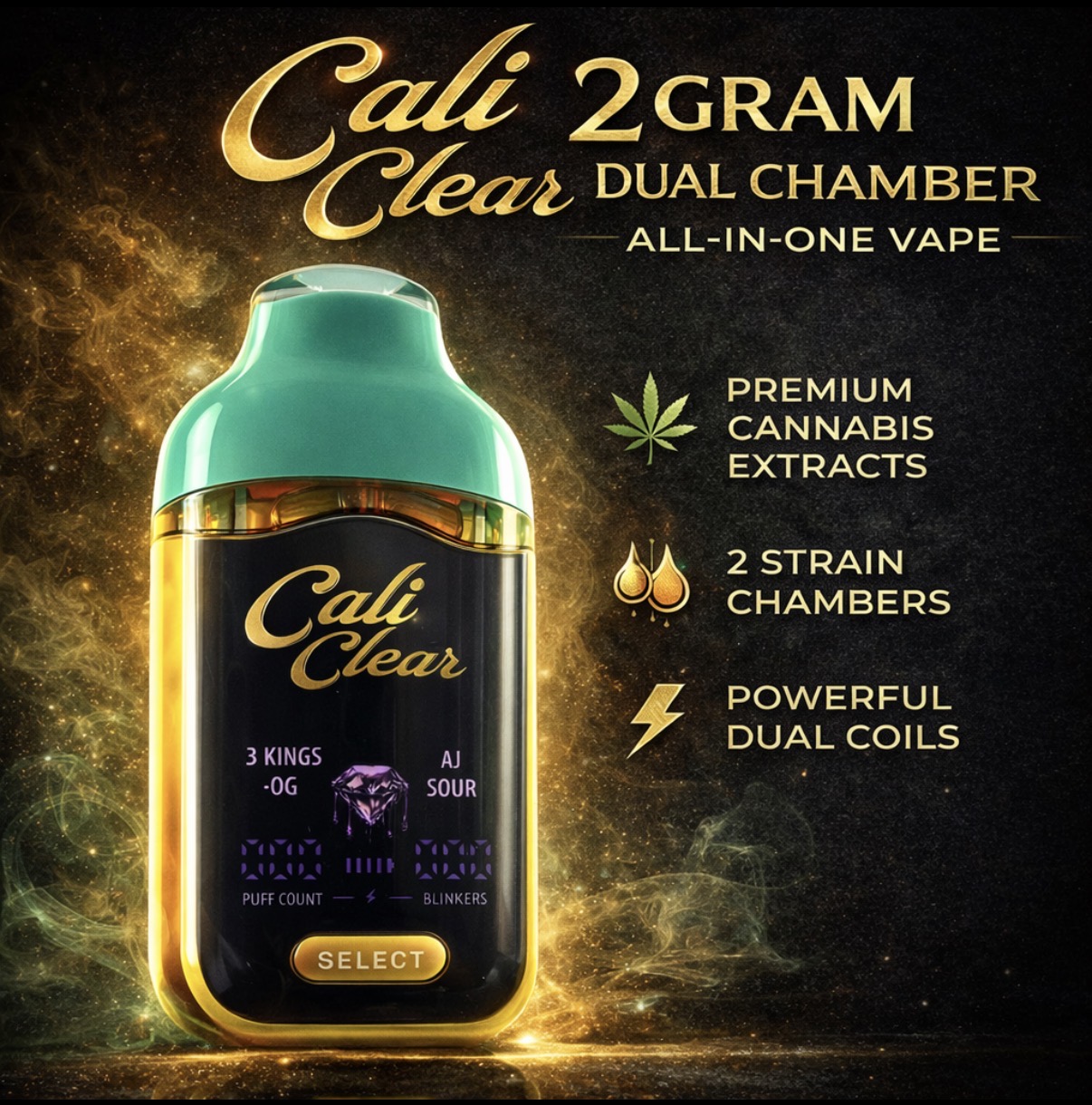
Delta-8 — каннабиноид, который встречается в каннабисе в очень малых количествах и обычно делается из CBD, полученного из хемпа. Его выбирают, когда хотят более мягкий, управляемый опыт, чем delta-9. Встречается в жевательках, вейпах и одноразках.
Что такое delta-9 THC?
Delta-9 — «классический» THC, основное соединение за известными эффектами каннабиса. Он сильнее delta-8 и является основой большинства лимитов THC (и большинства продуктов).
Как они сравниваются
- Сила: delta-9 потентнее; delta-8 легче. Если ты чувствителен или новичок, многим delta-8 легче дозировать.
- Ощущение: по характеру похожи, но delta-8 мягче и часто «яснее».
- Форматы: оба часто встречаются в вейпах и съедобных.
Заметка о законе
Продукты из хемпа, соответствующие федеральному определению hemp (менее 0,3% delta-9 THC по сухому весу), трактуются как hemp, а не марихуана, по Farm Bill 2018, что выводит их из-под контролей марихуаны Закона о контролируемых веществах. Эта классификация сама по себе не делает продукт законным для производства, маркетинга, продажи или доставки — также действуют FDA и требования Флориды.
Федеральный закон меняется. Конгресс принял более узкое федеральное определение hemp в ноябре 2025 года, а закон, подписанный 2 сентября 2026 года, перенёс дату его вступления в силу. С 11 декабря 2026 года федеральное определение hemp сужается, чтобы учитывать общий THC, включая THCA, вводит порог 0,4 мг на контейнер для конечных продуктов с каннабиноидами из хемпа и исключает определённые каннабиноиды, синтезированные или произведённые вне растения. Поскольку концентрированный delta-8 обычно получают конверсией CBD из хемпа, многие коммерческие delta-8 продукты могут перестать квалифицироваться как hemp после вступления нового определения в силу. Статус конкретного продукта зависит от его состава, способа производства и применимых федеральных и Флоридских требований.
Более ранняя дата действует только в одном узком случае. Для синтетических каннабиноидов — соединений, которые растение не может произвести само, — новое определение вступает в силу 12 ноября 2026 года. Всё, о чём идёт речь на этой странице, получено из конопли, поэтому здесь действует дата 11 декабря 2026 года.
Подробнее — обзор FDA по delta-8 THC, заметки Исследовательской службы Конгресса (IN12620, LSB11381), Статут Флориды §581.217 и наш разбор законов Майами.
Дисклеймер
Общая информация для 21+, не юридический и не медицинский совет. Законы о каннабисе и хемпе меняются — проверяйте актуальные правила перед покупкой.