THCA vs Delta-9 THC: What's the Difference?
·Marcus Rivera
Key Takeaways
- —THCA is the raw, non-intoxicating acidic precursor in fresh cannabis. On its own, it will not get you high.
- —Heat converts THCA into delta-9 THC through decarboxylation. Smoking, vaping, and cooking are all forms of applying that heat.
- —Lab labels list THCA and delta-9 THC separately because they are chemically different, which is why potency looks different before and after heating.
If you have ever squinted at a lab report and wondered why it lists both THCA and delta-9 THC, you are not alone. These two compounds come from the exact same plant, yet only one of them is responsible for the classic intoxicating effect people associate with cannabis. Understanding the difference clears up a lot of confusion about potency labels, raw versus heated products, and what actually happens when you light up or press a vape button.
What is THCA?
THCA (tetrahydrocannabinolic acid) is the raw, acidic precursor to THC. It is the form that naturally builds up in living and freshly harvested cannabis. Here is the key point: THCA is non-intoxicating in its raw state. If you were to eat raw, unheated cannabis flower, the THCA would not get you high, because the compound has not yet been converted into its active form.
Think of THCA as the "before" version. It is chemically almost identical to delta-9 THC, but it carries an extra molecular piece (a carboxyl group) that keeps it from interacting with your body the way active THC does. That one small structural detail is the whole reason raw cannabis and heated cannabis feel so different.
What is delta-9 THC?
Delta-9 THC is the compound most people simply call "THC." It is the intoxicating, active form, the one that produces the familiar effects associated with cannabis. When people talk about a product's ability to get you high, they are really talking about delta-9 THC.
The difference between the two is not about strength or quality. It is about whether the compound has been activated. Raw THCA is essentially dormant. Delta-9 THC is awake.
The magic step: decarboxylation (heat)
So how does dormant THCA become active delta-9 THC? Through a process called decarboxylation, which is a fancy word for "applying heat." When THCA is heated, it loses that extra molecular piece and transforms into delta-9 THC. This is a well-established chemical reaction, and it is happening every time you consume cannabis in a heated form.
You are decarboxylating THCA whenever you:
- Smoke it — the flame instantly converts THCA to delta-9 THC as you inhale.
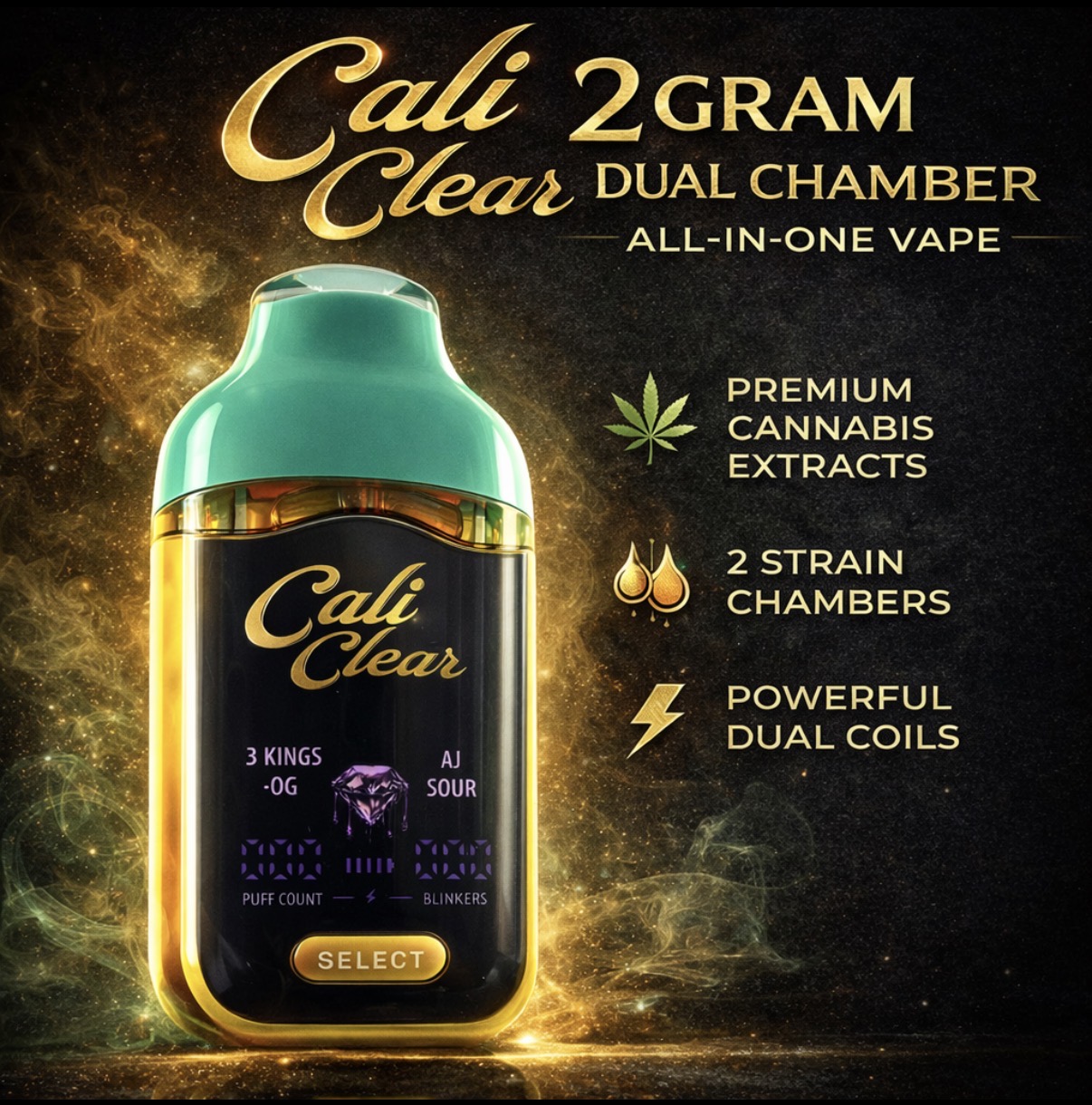
- Vape it — a vaporizer heats the material to activate the compounds without combustion. Curious how these compare? See our breakdown on vapes vs flower.
- Cook or bake with it — oven heat over time converts THCA in edibles. This is exactly why homemade edibles need a decarb step. For more on how that experience differs, read edibles vs smoking.
The takeaway is simple: raw THCA does not get you high until heat activates it. Delta-9 THC is what your body actually responds to.
Why lab labels list both THCA and delta-9 THC
When you look at a certificate of analysis or a product label, you will often see THCA and delta-9 THC reported as separate line items. That is not a mistake or padding. They are genuinely different compounds, and a lab measures exactly what is present in the material at the moment of testing.
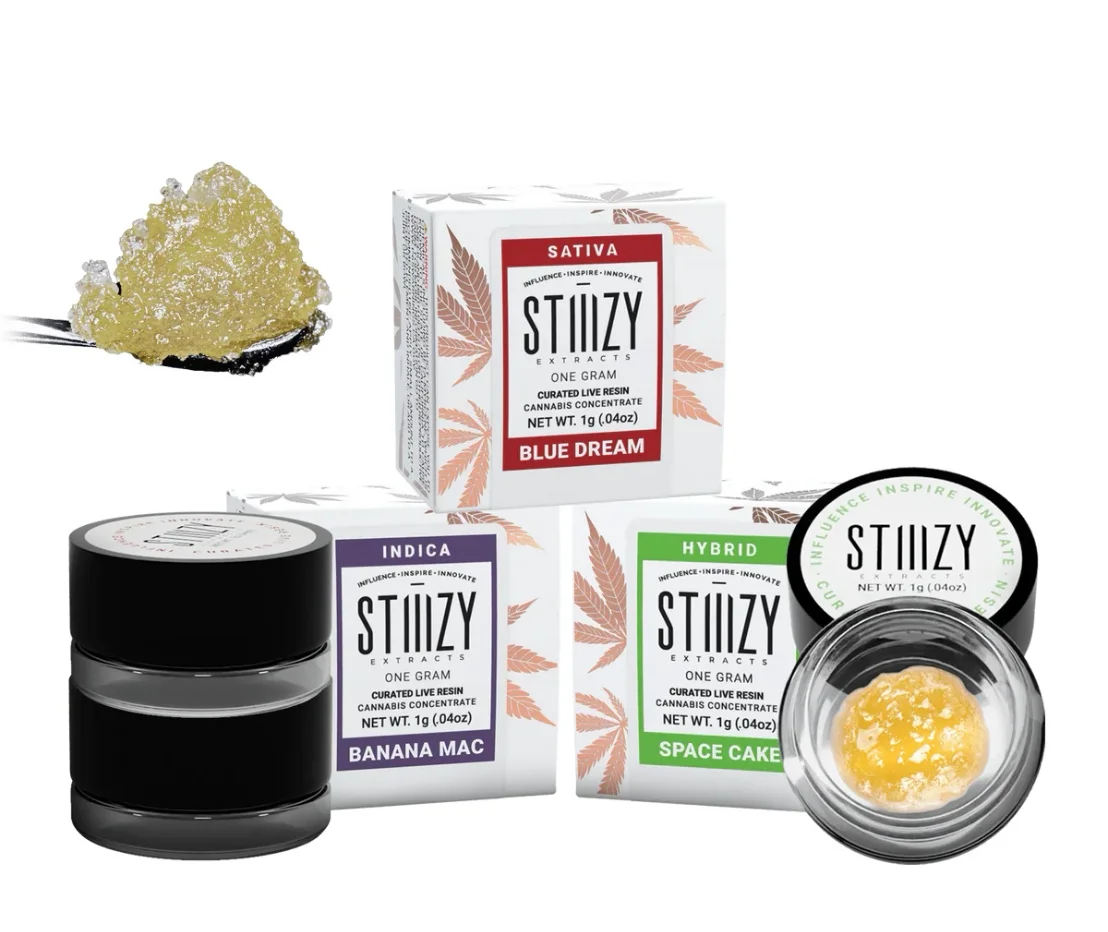
Fresh or minimally heated flower tends to show a high THCA number and a much smaller delta-9 THC number, because most of the compound is still in its raw, dormant form. This matters for how you read potency. The delta-9 THC figure tells you what is currently active, while the THCA figure tells you what is available to become active once heat is applied.
Potency math in plain language
Here is the part that trips people up. Because THCA loses a bit of its molecular weight during decarboxylation, the total active THC you end up with after heating is not simply the THCA number plus the delta-9 number. Some mass is lost in the conversion, so the "total potential THC" is always somewhat less than a straight addition of the two figures.
You do not need to do the arithmetic yourself. The practical point is this: a product with a big THCA number has a lot of potential potency locked inside, waiting for heat to release it. A product already rich in delta-9 THC is delivering active effects right now. Reputable labs and thoughtful labels account for this, which is why you will sometimes see a separate "total THC" estimate that reflects the conversion rather than a naive sum.
What this means when you shop
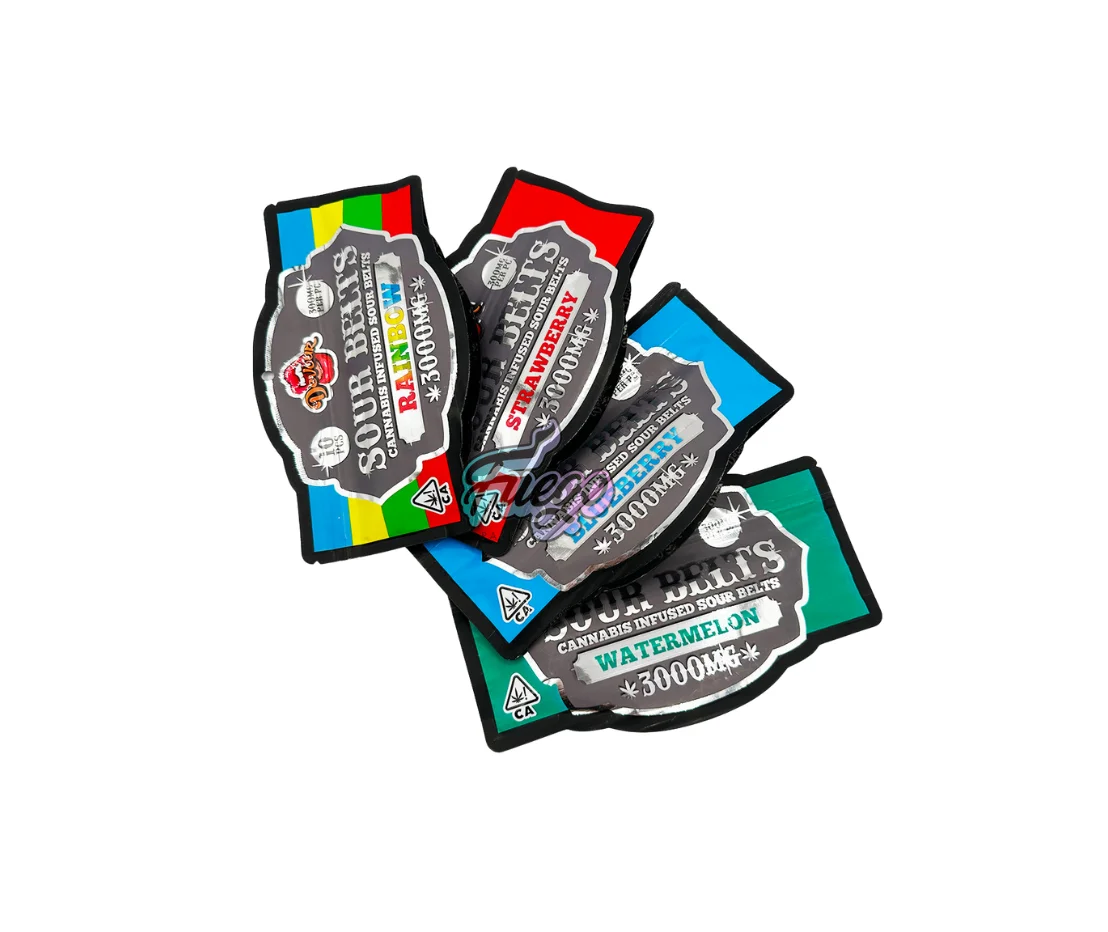
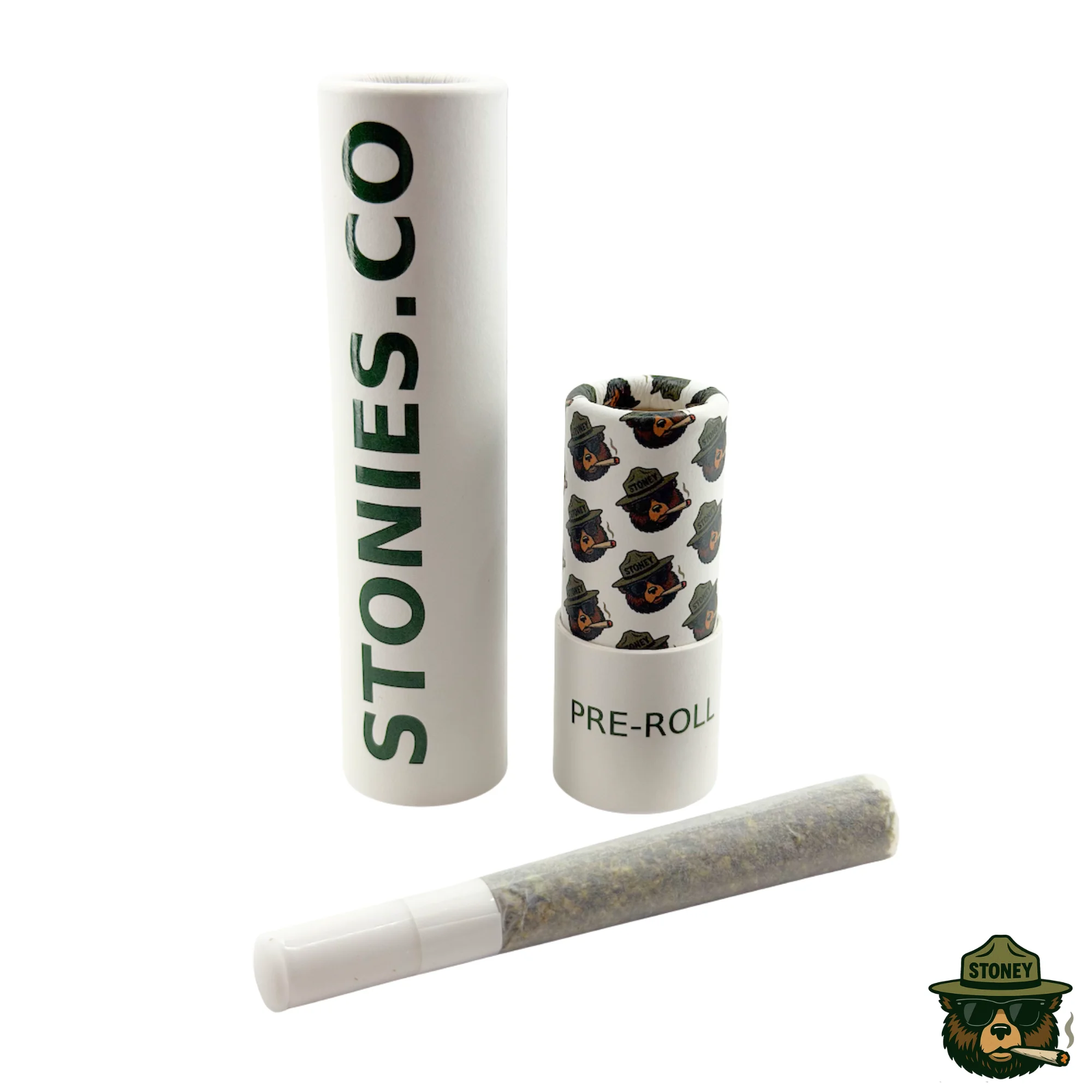
Once you understand THCA and delta-9 THC, product menus make a lot more sense. Flower and pre-rolls rely on you to apply heat, so their THCA content is central to the experience. Vapes deliver activated compounds through controlled heating. Edibles are already decarbed during production, so what you taste is meant to be ready to work. Explore the categories on the Stonies menu and you will spot these patterns on the labels.
A quick, honest legal note
Stonies carries hemp-derived cannabinoid products within the federal hemp definition — cannabis under 0.3% delta-9 THC by dry weight — under the 2018 Farm Bill framework, which treats them as hemp rather than marijuana; FDA and Florida rules also apply. A Florida medical card is not required for a product that lawfully qualifies as hemp, and every order is for adults 21 and up with ID checked at the door.
Cannabis laws are evolving and vary by location, so this article is educational information, not legal advice. Always verify current local regulations and, if you need certainty, consult a licensed Florida attorney. For a deeper look at the legal landscape, see is weed delivery legal in Miami and our legal explainer on cannabis in Miami.
The bottom line
THCA and delta-9 THC are two stages of the same molecule. THCA is the raw, patient, non-intoxicating form. Heat is the switch that flips it into delta-9 THC, the active compound that produces effects. Knowing that one distinction helps you read labels with confidence, understand why potency shifts between raw and heated products, and choose exactly the kind of experience you want.